
Share this
by Claire Campbell on Apr 29, 2019, 4:46:23 PM
Marathon season brings an incredible sense of achievement, but it can also leave your body feeling the strain. With events like the London Marathon marking the start of the season, many runners will be feeling the after-effects of months of training and race-day effort. Tight muscles, fatigue, and lingering aches are all part of the process, but so is recovery.
How you recover can play a crucial role in how quickly, and how well, you return to training. This is where yoga comes in. By combining gentle mobility, strength, and mindful movement, yoga supports the body in releasing tension, restoring balance, and reducing the risk of injury.
Whether you’ve just crossed a finish line or are building towards your next challenge, taking time to restore and rebalance your body is key. Incorporating a few targeted yoga poses into your routine can help reduce soreness, prevent injury, and get you back to running feeling stronger, more aligned, and ready for what’s next.
Try these six asanas to boost your post-race recovery
DOWNWARD DOG (ADHO MUKHA SVANASANA)

- Downward dog is an ideal pose for stretching out tired hamstrings, calves and foot arches. Spending time in this position allows the practitioner to identify imbalances or discomfort, promoting a mindful awareness of the body that is key for long distance runners
HALF PIGEON (ARDHA KAPOTASANA)
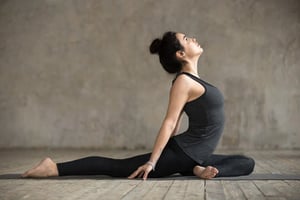
- Half Pigeon releases tightness in the hip, hip flexors and glutes. Weak or stiff hips are a frequent cause of injury in runners, such as Runners Knee and iliotibial Band Syndrome. By improving hip flexibility runners limit the likelihood of injury and improve their running efficiency.
LEGS UP THE WALL (VIPARITA KARANI)
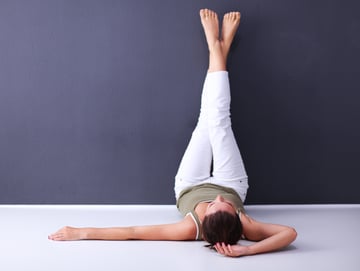
- Incorporating Legs Up The Wall into a post-run cool down improves blood circulation throughout the body, draining fluids that collect in your legs during intense exercise. Raising the legs above the torso relieves the symptoms of tired ‘heavy’ legs while stretching out the hamstrings and glutes.
SIDE LUNGE (SKANDASANA)
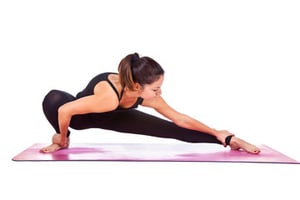
- When carried out correctly, Side Lunge creates a deep stretch in the groin, hips and hamstrings. These areas, prone to fracture and inflammation benefit from regular stretching. Variations of this pose allows for differing levels of intensity and improved mobility in the knees and ankles.
LOW LUNGE (ANJANEYASANA)
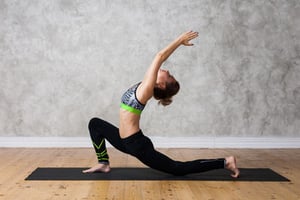
- Low Lunge stretches out the muscles most dominant in long distance running: the quads, hips, hamstrings and groin. This movement can strengthen the hip flexors while increasing mobility in the legs.
RECLINED SPINAL TWIST (SUPTA MATSYENDRASANA)
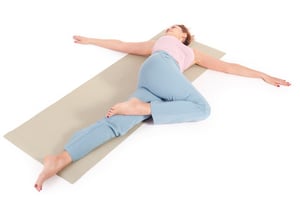
- This asana pose stretches and releases the spine. Because of the repetitive strain and impact running can cause, lower back pain is a common ailment among runners. Holding this pose can lengthen the back muscles while opening the chest and loosening the hips.
Are you trained in teaching yoga to athletes?
Learn more about the benefits of being a specialist sports yoga teacher here.
Comments (2)